Overthought is a semi-regular series that takes a look at some of the more interesting and notable tidbits shared by Elliotte Friedman in his weekly 32 Thoughts column. Each edition will feature some unique thoughts on the state of the Sabres or league as a whole before digging in on some of the notes from Freidman’s weekly column.
History repeated itself, as Devon Levi was sent to Rochester earlier this week, not far off from his initial demotion last season after a similarly rocky start to the season.
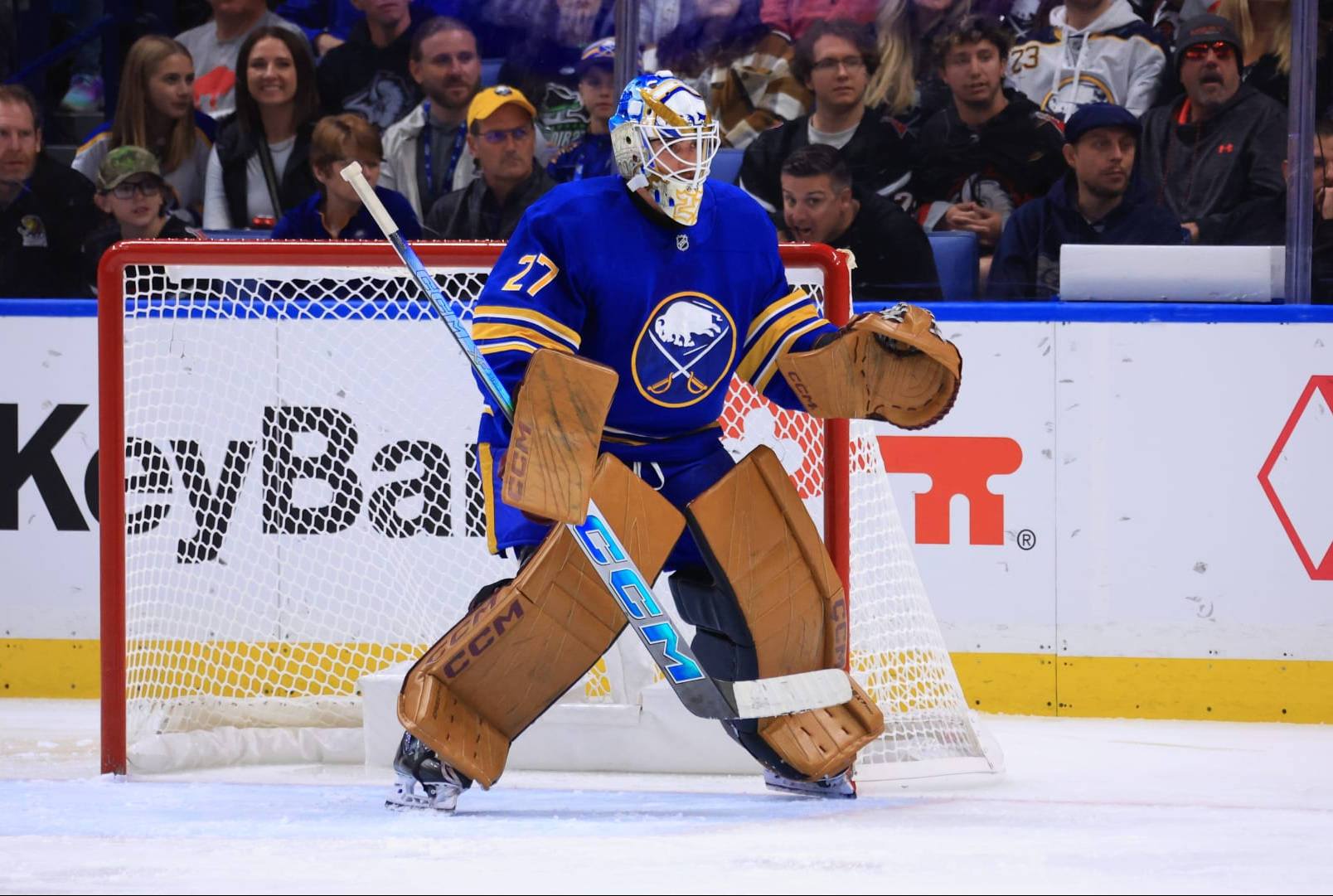
Like last year, the choice to send Levi down is sound. His play wasn’t up to an NHL standard and the Sabres risked bleeding points with every game Levi started. This isn’t a sign of defeat for Levi, however. At 22 years old, he has a lot of runway before any definitive proclamation about his career can be made. He has only played 63 professional games and he will benefit from an increased workload in Rochester; another benefit he enjoyed last year as well.
If the Sabres have made any error with Levi, it has been expecting too much of him too soon. He was steady in his initial seven-game cameo in 2022-23 after signing his entry level contract, but his consistency has waned since. Few, if any, goaltenders are capable of stepping into a full time NHL job from NCAA or junior. Those that have are either developmental exceptions or have had to work their way through regression in their play as teams and shooters have adjusted. Levi appears to be more the rule than exception when it comes to his development track.
Continue reading

 Two in the Box