4 Nations Notes

There’s bound to be some whiplash switching from the 4 Nations Face Off back to regular season NHL action. The in-season tournament exceeded any and all expectations fans, media and probably even the players had for it, and there is a newfound level of interest in hockey as a result. 

Big television viewership and a pair of thrilling games between the US and Canada made the event appointment viewing and served as an ideal reset for NHL participation in international play. There were a few additional thoughts I wanted to share looking back at the event that didn’t fit into the recap of the tournament that already ran on the blog. 

Continue reading

Reflecting on the Wild Success of the 4 Nations Face Off

I’m not sure if you gave Gary Bettman a genie and some wishes he could have come up with a better outcome for the 4 Nations Face Off. The midseason tournament was a smash hit for the NHL, thrusting the sport’s stars into the spotlight and bringing a level of attention to the league that hasn’t been seen in years. 

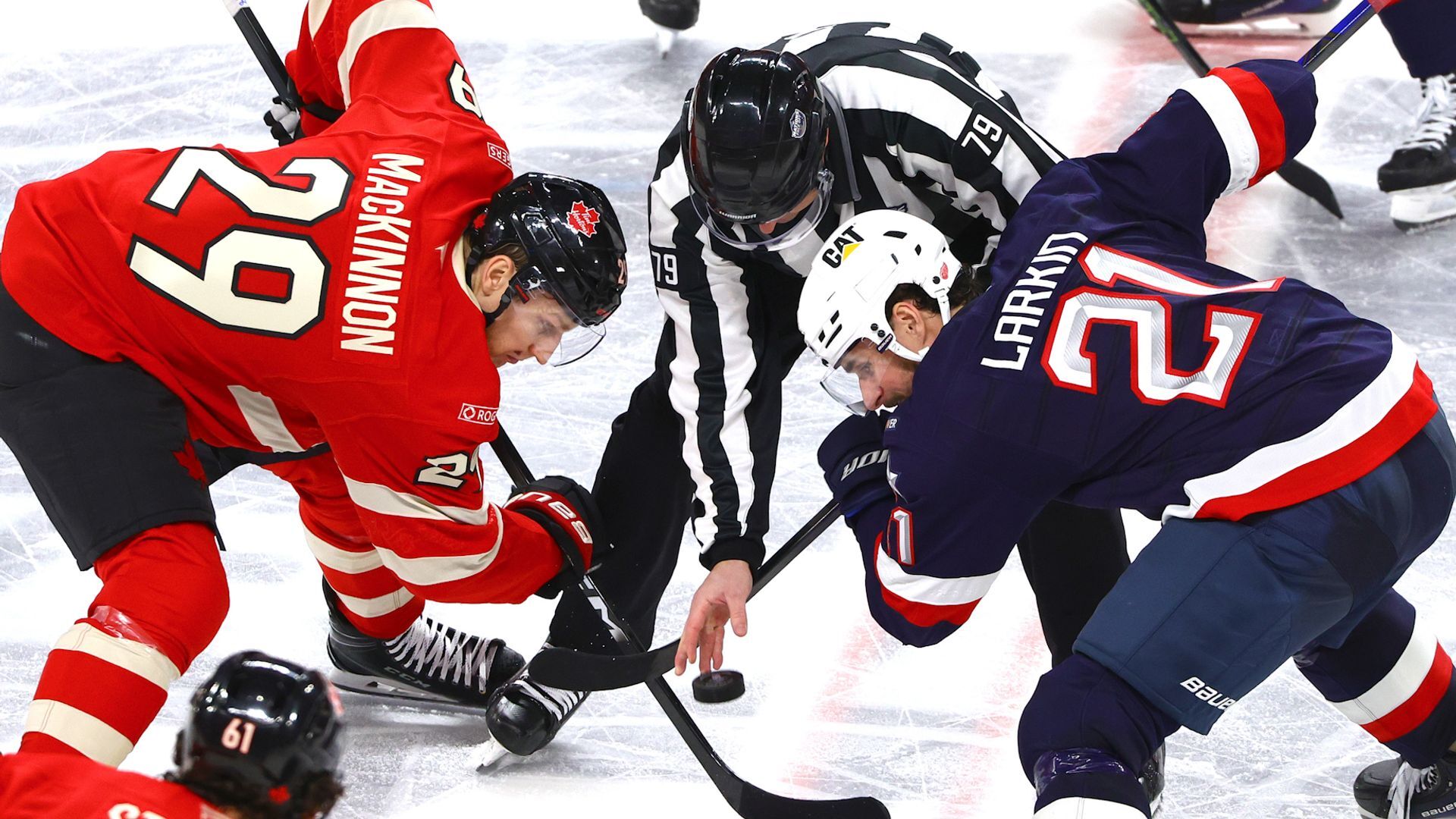
A week and a half of thrilling hockey was headlined by a pair of excellent matchups between the U.S. and Canada. It was an ideal result for the NHL as their brightest star scored the tournament clinching goal less than a week after a raucous, fight-filled affair on Saturday night in Montreal. The preliminary match drew a big TV audience in the States and Thursday’s championship nearly hit 10 million U.S. viewers, unheard of numbers for the NHL. Every player has commented about how special it was to play for their country in this format. At every turn, the 4 Nations Face Off was a win.

This isn’t the first time the NHL has enjoyed a bit of extra attention from an international event. Team USA’s run to the gold medal game in 2010 was a captivating story and you couldn’t turn on a daytime talk show without seeing TJ Oshie in 2014. The NHL wasn’t able to keep the positive momentum from those Olympic appearances rolling once games resumed, leaving a questionable track record when contrasted with the post 4 Nations glow. 

The big difference this time is that the league owned the tournament. The games were broadcast by the league’s broadcast partners (like NBC in ‘10 and ‘14) and the NHL organized and oversaw every aspect of the event. Social media is also a much different animal today than it was during either of those two events and the league’s star power has never been more impressive. There are certainly more factors playing to the NHL’s favor this time than at any point in the last three best-on-best tournaments NHL players have participated in. 

Continue reading

The Instigator Podcast 13.22 – 4 Aces for the 4 Nations

The 4 Nations Face Off has been a massive success for the NHL, headlined by an excellent USA vs. Canada matchup on Saturday night. We run through the preliminary round results, not just breaking down the fight-filled game between the US and Canada but the results for the Finns and Swedes as well. In addition to our discussion on the hugely positive reaction to the preliminary games, we also offer up a preview for Thursday’s rematch between the US and Canada for the 4 Nations championship. 

You can find The Instigator Podcast wherever you listen to podcasts:

iTunes
Spotify
Stitcher
iHeartRadio
TuneIn
Google Play

Overthought – A Missed Opportunity on the 4 Nations Rosters

Overthought is a semi-regular series that takes a look at some of the more interesting and notable tidbits shared by Elliotte Friedman in his weekly 32 Thoughts column. Each edition will feature some unique thoughts on the state of the Sabres or league as a whole before digging in on some of the notes from Freidman’s weekly column.

The initial rosters for the 4 Nations Face-Off have been set and barring injury replacements, the Sabres will only be sending two players to the event. Rasmus Dahlin with Sweden and Ukko-Pekka Luukkonen with Finland. 

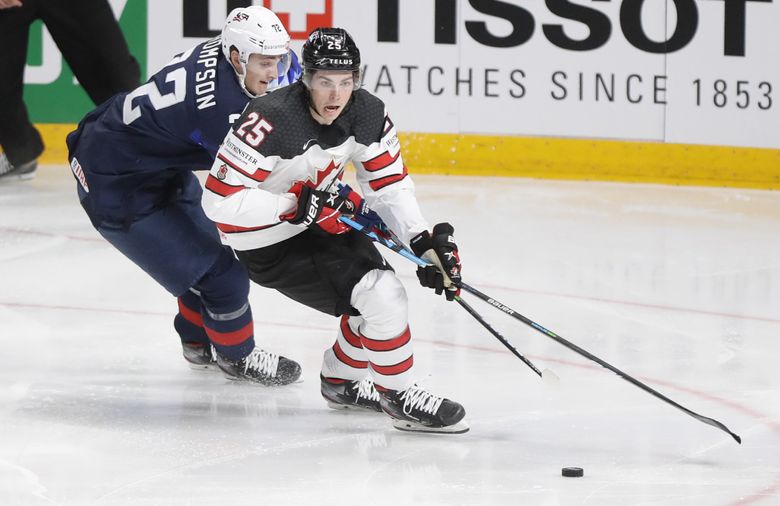
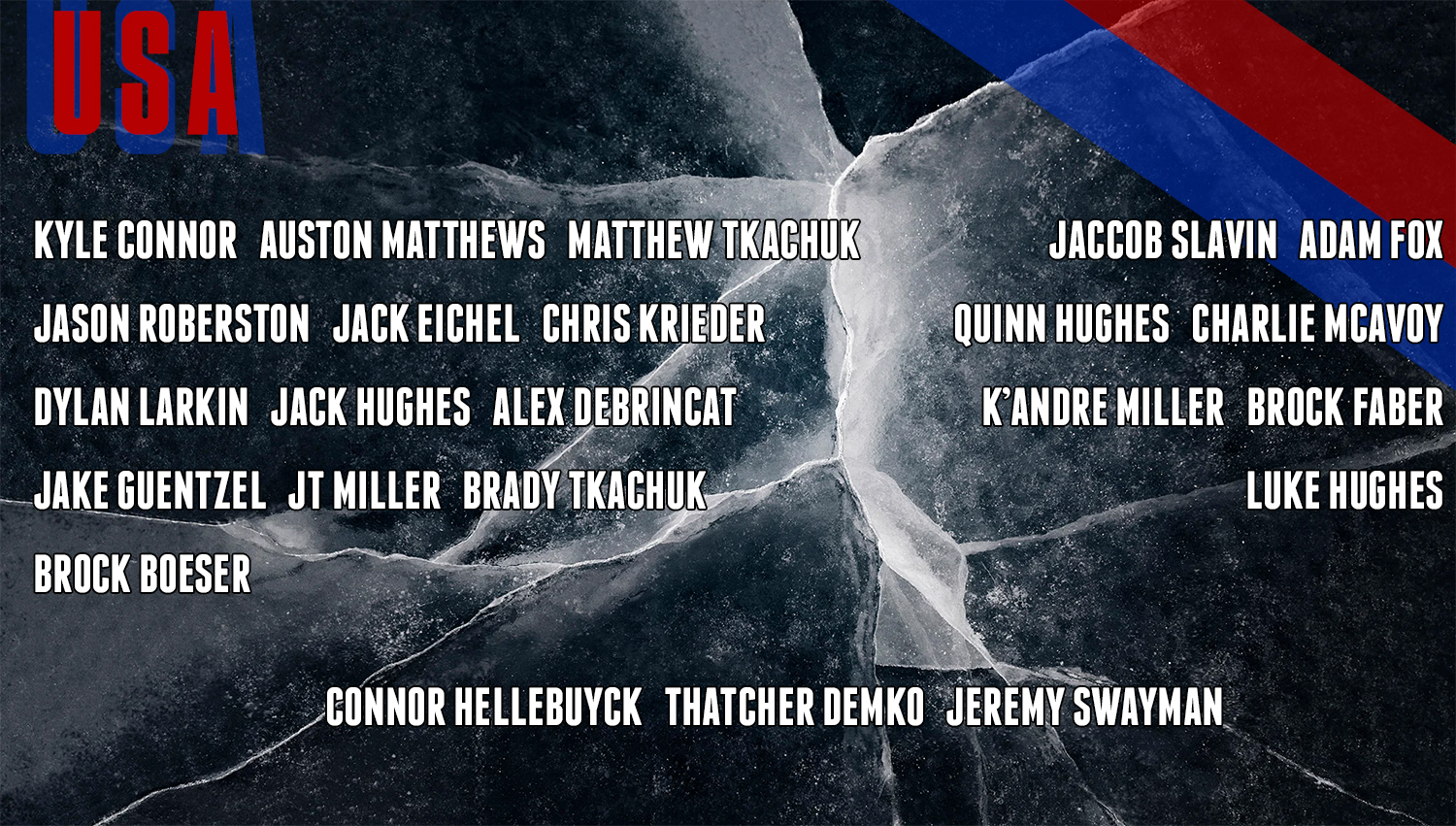
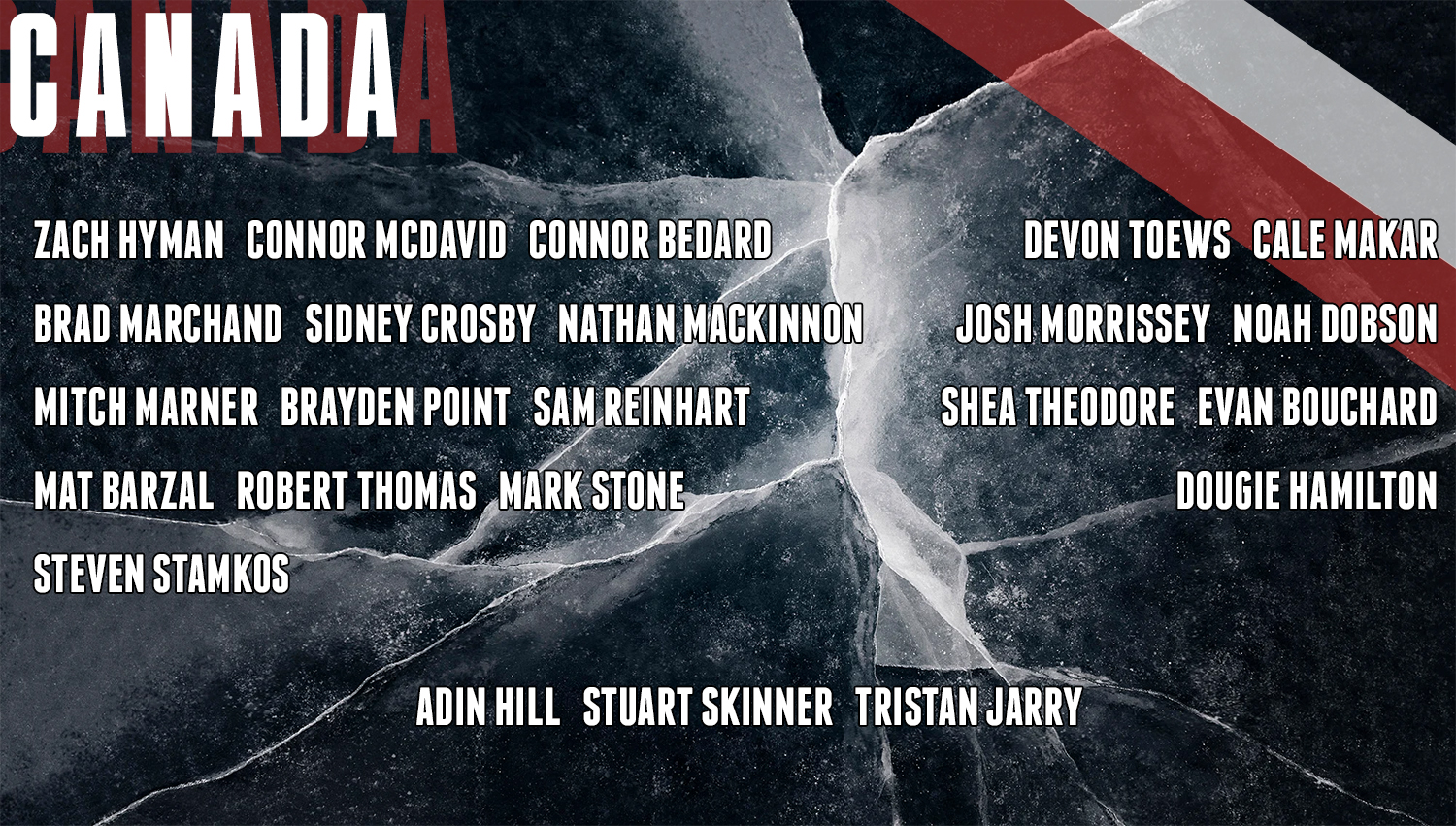
Tage Thompson’s omission from the American roster drew criticism from Buffalo and beyond, as the US brain trust opted for forwards with a more defensive bent over the likes of Thompson or Cole Caufield. The Canadians followed a somewhat similar strategy, adding Sam Bennett, Anthony Cirelli, Colton Parayko and Travis Sanheim as opposed to players with a more dynamic offensive skill set. Both Cirelli and Bennett have been more than adequate producers this season, with each scoring at roughly a point-per-game clip, so their inclusion certainly isn’t without merit. But both the Canada and US, the two teams with the deepest pool of players to choose from, made a conscious decision to include more well-rounded players on their roster, instead of loading up with upper echelon talent. 

The direction both groups took isn’t a surprise. These are NHL decision makers and it’s no secret what they value in their own team building, so it’s no upset that they chose to include players they feel can offer support in their own end. What is curious is the decision to treat this bonus best-on-best tournament so seriously. The 4 Nations event is an appetizer for next year’s Olympics. It’s a little tease, a thank you to the fans after nearly a decade without NHL players appearing in any notable international events. In a way, it’s a bit of a freebie. The slightly more casual nature of the event could have been embraced. The brain trusts of the participating nations were presented an opportunity to explore roster choices they may have otherwise shied away from at the Olympics. Instead, we saw both the US and Canada treat this Very Seriously and make a number of high-floor choices instead. 

Continue reading

The Instigator Podcast 13.12 – Execution, Coaching or Construction?

Buffalo’s losing skid hit four games after a dreadful loss to the Colorado Avalanche, erasing the club’s playoff advantage and leaving many questions about the current state of the team. We devote the first portion of this episode to breaking down the root causes of their issues, landing on roster construction as the primary issue with what could be another stalled season. 

We close the episode with a breakdown of the rosters for the 4 Nations Face-Off, specifically the US and Canadian rosters. We talk about the decision to bring more role players than overall talent on the US side and whether or not that will hurt them in this short event. 

You can find The Instigator Podcast wherever you listen to podcasts:

iTunes
Spotify
Stitcher
iHeartRadio
TuneIn
Google Play

Revisiting My 4 Nations Face Off Projections

Back in February I tried my hand at projecting the rosters for each country participating in the 4 Nations Face Off. With just a day until the rosters are officially unveiled, it’s time to revisit those projections and adjust for the first two months of the season and other factors.. 

Plenty has changed since February and today as players have gotten healthy, started the season hot or played their way off their respective rosters. We’ve also learned more about how each country plans to shape their roster. Bill Guerin has been quoted expressing his desire to have a balanced team as opposed to a star laden group. That was likely to be the case for all four teams as accounting for roles and better fits will almost always win out over selecting 20 players based purely on talent. Finland and Sweden, whose options aren’t as plentiful as the US or Canadian outfits, could potentially lean more towards current year production and players who have trended up to start this season. But overall I would expect them to try and craft rosters that are as well rounded as possible. I’m also curious to see if any of the teams sneak in a young player or two as they look ahead to the 2026 Olympics. 

Continue reading

Projecting the 4 Nations Face Off: USA

The 4 Nations Face Off will be the closest the U.S. has been to Canada in terms of overall talent at any point in best-on-best international play. The Americans beat the Canadians in 1996 and they were one shot away from another sweep in 2010, but neither of those teams were close to their Canadian counterparts on the basis of talent. The Americans have a young and deep group of players to select from and should be able to ice a roster that can go toe-to-toe with the Canadians. 

It’s a shame there isn’t a mechanism that would allow them to trade a goaltender to Canada for a forward or defenseman simply given how rich the U.S. is at the position. There are easily four, if not five, goaltenders worthy of consideration for this roster, a strength that will largely be squandered in a tournament that is so short. That isn’t to say the Americans shouldn’t feel confident in their goaltending, but it’s the one position where depth as impressive as theirs won’t really matter given the nature of the position. But goalie isn’t the only area where the Americans should feel confident. So long as they don’t repeat the mistakes of 2014 and 2016, they should have an immensely talented lineup at their disposal. 

Continue reading

Projecting the 4 Nations Face Off: Sweden

It will be hard to fairly judge any of the teams in this tournament given its length. Finland’s roster doesn’t seem ultra impressive on paper, but if Juuse Saros is hot, or certain key players on other teams are injured, the results could be much different than what may be expected. I think in a more controlled setting, with more runway to get up to speed this Sweden team could really make some noise. 

They have a well rounded defense corps and there are some serious players up front. They don’t have quite the same amount of depth of talent as the Americans or Canadians, but they’re close. It’s a solid group with some lineup flexibility that could come in handy. Their goaltending won’t get as much attention as the U.S. group, but the Swedes easily have the second best stable of the tournament. How it all translates in a round robin setting is tougher to determine. 

Continue reading

Projecting the 4 Nations Face Off: Finland

Of the four teams participating in the 4 Nations Face Off, Finland looks to be the weakest of the bunch. While they don’t lack high-end talent, they don’t boast the sort of depth that the Americans or Canadians have in bunches. Their goaltending is also fairly unproven once you get past Juuse Saros. Saros also has the skill to steal games, making the Finns a dangerous opponent. But on paper, this is the weakest of the four groups. 

There’s a lot of room for movement on the Finnish roster and I think all four teams will use their practice time together to shuffle through line permutations before the games begin. So don’t view all of the lines listed in these posts as firm, but a general scope of how I view each roster. From the top group of forwards down, I don’t think any single one of these groupings would be written in ink given where some of the weak points are with the players they can select from. 

Continue reading

Projecting the 4 Nations Face Off: Canada

Nine years will have passed between puck drop of next year’s 4 Nations Face Off and the last time NHL players participated in a best-on-best international event. 

Like this abbreviated tournament, the last iteration also featured some unusual wrinkles as the field of teams was rounded out by Team Europe and the legendary Team North America U23 outfit. The 4 Nations event will be a little more by the book, with the United States, Canada, Finland and Sweden competing against each other, with an eye on expanded participation in a consistent international calendar in the years to come. 

The promise of NHL players once again representing their countries means that the time honored tradition of roster projection can be practiced once again. Who better to start with than the team that will almost certainly enter as the tournament favorite and whose superstar has been limited to just one international event in his career, that being the 2016 World Cup? 

Projecting any Canadian roster with NHL players comes with the challenge of determining which of their 184 number one centermen will slide to the wing and which will play the pivot. Canada’s goaltending has also been a point of contention in recent years as the lack of a true superstar has left many to point to the crease as the country’s biggest position of weakness entering this competition. 

I do feel the concerns with their goaltending are being slightly overblown. There are enough Canadian goaltenders around the league with starters credentials who should have little trouble playing behind a forward group and blue line that will be this star studded. 

My goal with the Canadian roster was to plug in players whose traits complemented their linemates as best I could. Just about any permutation of a Canadian roster is going to be a formidable unit and I had little trouble cooking up three different variations of their forward lines that would be easy favorites for gold in this tournament. The group I settled on ultimately maximizes the high-end talent the Candians boast in droves, avoiding the urge to be cute by picking a player just for the sake of being different. 

Continue reading