I’m not sure if you gave Gary Bettman a genie and some wishes he could have come up with a better outcome for the 4 Nations Face Off. The midseason tournament was a smash hit for the NHL, thrusting the sport’s stars into the spotlight and bringing a level of attention to the league that hasn’t been seen in years.
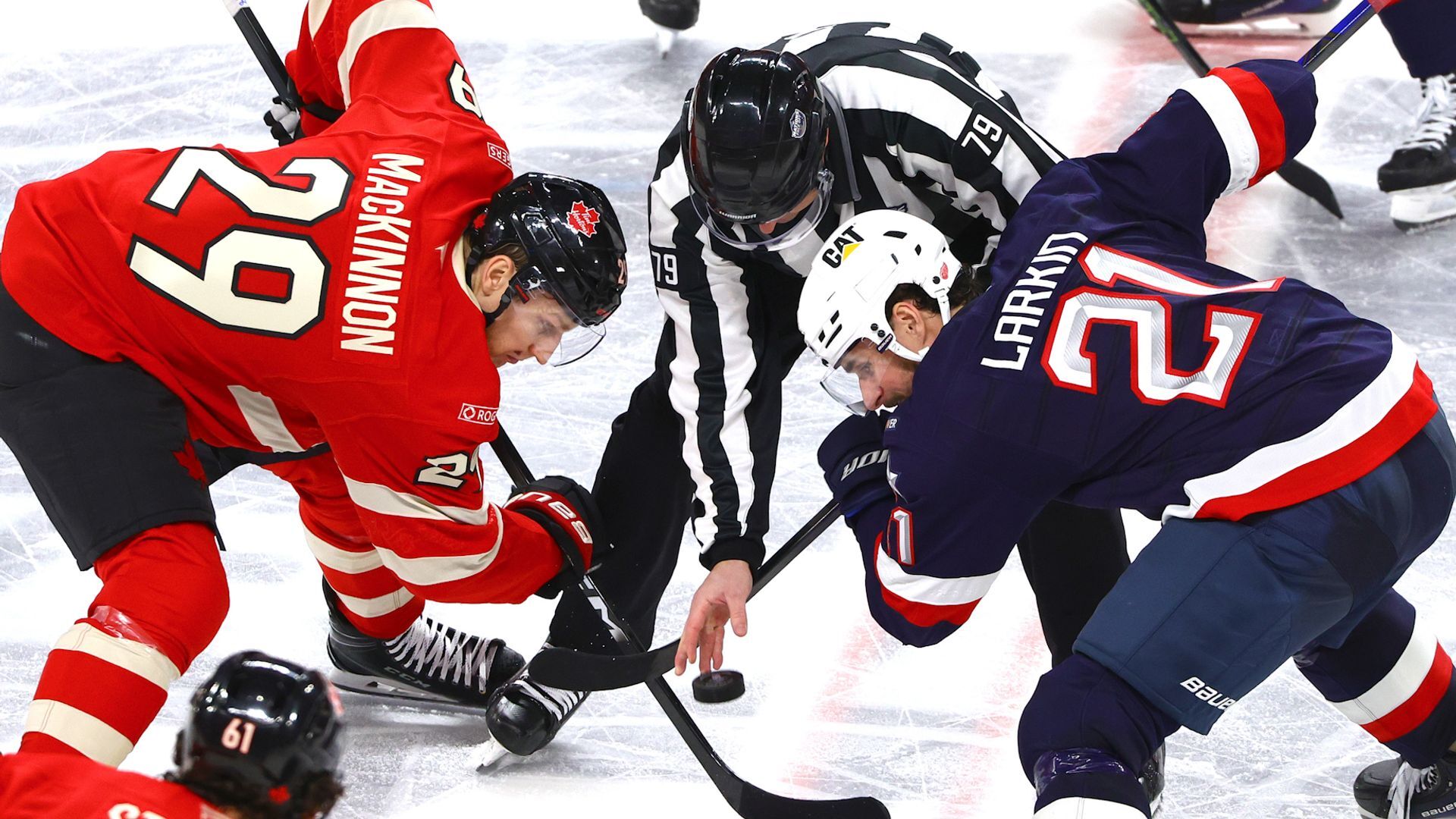
A week and a half of thrilling hockey was headlined by a pair of excellent matchups between the U.S. and Canada. It was an ideal result for the NHL as their brightest star scored the tournament clinching goal less than a week after a raucous, fight-filled affair on Saturday night in Montreal. The preliminary match drew a big TV audience in the States and Thursday’s championship nearly hit 10 million U.S. viewers, unheard of numbers for the NHL. Every player has commented about how special it was to play for their country in this format. At every turn, the 4 Nations Face Off was a win.
This isn’t the first time the NHL has enjoyed a bit of extra attention from an international event. Team USA’s run to the gold medal game in 2010 was a captivating story and you couldn’t turn on a daytime talk show without seeing TJ Oshie in 2014. The NHL wasn’t able to keep the positive momentum from those Olympic appearances rolling once games resumed, leaving a questionable track record when contrasted with the post 4 Nations glow.
The big difference this time is that the league owned the tournament. The games were broadcast by the league’s broadcast partners (like NBC in ‘10 and ‘14) and the NHL organized and oversaw every aspect of the event. Social media is also a much different animal today than it was during either of those two events and the league’s star power has never been more impressive. There are certainly more factors playing to the NHL’s favor this time than at any point in the last three best-on-best tournaments NHL players have participated in.
There’s also another Olympic tournament coming in fewer than 365 days. The players reminded everyone just how good best-on-best hockey can be and the table is set for the league to cash in on that result.
The 2026 games ought to be a thrilling affair on the heels of this tournament. Team USA wasn’t burdened by losing so many players to Team North America as they were in 2016, so we got to see the best the Americans had to offer for the first time in at least 11 years, but maybe closer to 20 depending how you rate their rosters from the Vancouver and Sochi games. The Americans and Canadians will enter that event with the expectation of another gold medal showdown. Finland will have a deeper pool of players to choose from and the larger round robin groups will mean more preliminary action for fans to sink their teeth into. Stack the 2028 World Cup of Hockey on top of next year’s Olympic games and it’s easy to see how the NHL can begin to build the sort of critical mass needed to make the sport’s international action appointment viewing.
Don’t overlook the fact that hockey is one of the few sports that has the sort of built-in international structure to make best-on-best play such a captivating product. Hockey shares many similarities with international soccer with respect to the number of countries that are competitive on the international stage and the structure that younger players follow representing their country from an early age. It’s a shame the NHL couldn’t have established a consistent international calendar sooner than 2025, but with a grand slam under the belt from the past week and international participation that spans to the 2030 Olympic games. Though, I would argue the league would be wise to confirm their participation through to the 2034 Olympics in Salt Lake City with the World Cup of Hockey running concurrently.
One thing I hope the NHL takes away from this event is that the value came from the unique opportunity to see best-on-best international hockey. I’ve seen far too many people suggest that the league should abandon the All Star Game altogether in favor of hosting a similar tournament on an annual basis. While the stakes for outdoor games were far lower than any sort of international tournament, the way events like the Winter Classic have been watered down should serve as a cautionary tale for dipping into the same well too many times.
Spacing out international games like these will create the anticipation and just enough scarcity to make every meeting special. While I won’t discount the passion players have to represent their country as opposed to participating in a skills competition, the larger marketability of the games would surely take a hit if the league was running back some iteration of USA-Canada each and every season. It’s important that the league let this breathe a bit. Reflexively adding a pile of annual best-on-best games would almost certainly kill what made this tournament a winner.
That leaves a big question mark about what to do in off years as an intermittent midseason All Star Game would look even weaker if it was only played every other year. But there isn’t a single iteration across all sports that has any real pull these days. I don’t think there should be any debate about torching the game during any season when the Olympics or World Cup would be played. Maybe shifting the All Star weekend to the fall would solve some of those problems and allow the league to keep the corporate aspects of the event alive. That doesn’t matter much right now. The key takeaway, for me, is that the league shouldn’t overreact to the success of this tournament and oversaturate the market with best-on-best events. Keep an appropriate cadence and ensure you enjoy the sort of pop you got this past week every time your players pull on their countries’ uniforms.
A lot of people scoffed at this tournament as a PR stunt and a money grab. Those views clearly underestimated the buy-in from the players when it came to playing for their country, especially given how few of them had the opportunity to since entering the league. The NHL comes away from this tournament with a boatload of positive momentum and a list of future events that should continue to stoke fan interest. It’s a position somewhat foreign to the sport of hockey, but one the league may finally be in position to cash in on.
 Two in the Box